


Repair Tools






Safety Precautions Before Starting Appliance Repair
Before beginning any appliance repair work, it's crucial to prioritize safety. Here are some essential safety measures to follow:
1. Disconnect Power
Always unplug the appliance or turn off the circuit breaker to ensure there is no electrical power.
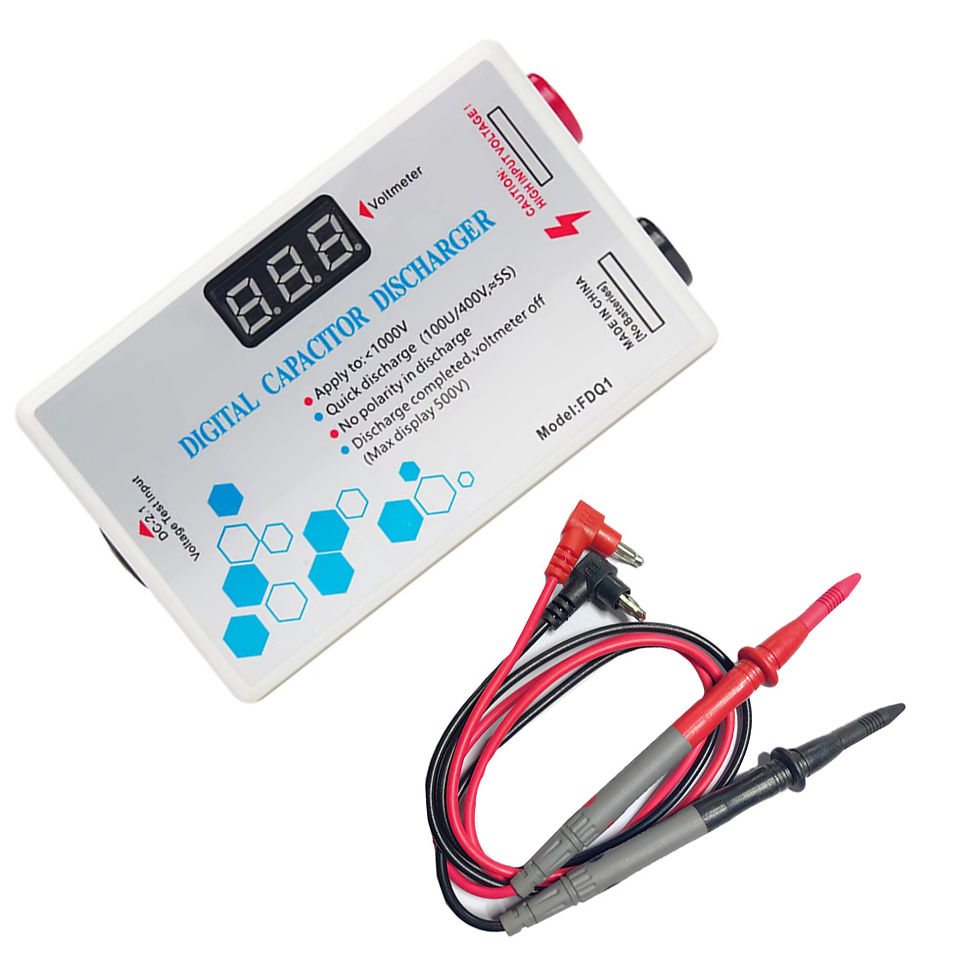
Use a voltage tester to confirm that the appliance is not receiving power.
2. Wear Protective Gear
Put on safety goggles to protect your eyes from debris and potential hazards.
Use gloves to prevent cuts and electrical shocks.
Consider wearing a dust mask if working with materials that generate dust.
3. Work in a Well-Ventilated Area
Ensure the workspace is well-ventilated, especially if using solvents or chemicals.
Open windows or use fans to circulate air if necessary.
4. Keep the Workspace Organized
Clear the area of unnecessary tools and materials to prevent tripping hazards.
Keep all tools within reach to avoid distractions and accidents.
5. Follow Manufacturer Instructions
Refer to the appliance’s manual for specific repair instructions and safety warnings.
Adhere to all guidelines provided by the manufacturer.
6. Be Aware of Hazardous Materials
Identify any hazardous materials, such as refrigerants or chemicals, and handle them according to safety guidelines.
Dispose of any waste materials properly.
7. Have a First Aid Kit Ready
Keep a first aid kit nearby in case of accidents or injuries.
Know how to use the items in the kit effectively.
8. Seek Professional Help if Needed
If you are unsure about any repair process or feel uncomfortable, consider hiring a professional technician.
Don't take unnecessary risks with complex repairs.
By following these safety precautions, you can help ensure a safe and effective appliance repair process.
Tool Description
This section provides a comprehensive overview of the tool, including its features, functionalities, and benefits.
Features
User-friendly interface
Customizable settings
Essential Tools for DIY Repairs and Installations
When tackling DIY repairs and installations, having the right tools is crucial. Here’s a list of essential tools that can help you complete various projects effectively:
Hammer: A basic yet vital tool for driving nails and assembling materials.
Screwdrivers: Both flathead and Phillips screwdrivers are necessary for different types of screws.
Wrench Set: Useful for tightening or loosening nuts and bolts.
Pliers: Great for gripping, twisting, and cutting wires.
Measuring Tape: Essential for accurate measurements of spaces and materials.
Utility Knife: Handy for cutting various materials, including cardboard and drywall.
Drill: A power drill is indispensable for making holes and driving screws quickly.
Level: Ensures that your installations are straight and even.
Stud Finder: Helps locate wooden or metal studs behind walls for secure mounting.
Safety Gear: Includes goggles, gloves, and masks to protect yourself during projects.
Helpful Accessories for DIY Projects
In addition to tools, various accessories can enhance your DIY experience:
Toolbox: Keeps your tools organized and easily accessible.
Work Gloves: Protects your hands from cuts and abrasions.
Drop Cloths: Protects floors and furniture from paint and debris.
Sandpaper: Necessary for smoothing surfaces before painting or finishing.
Caulk and Caulking Gun: Ideal for sealing gaps and cracks around windows and doors.
Paint Brushes and Rollers: Essential for painting tasks.
Fasteners: Includes nails, screws, and anchors for securing materials.
Extension Cord: Provides additional power supply for tools that need to reach distant outlets.
With the right tools and accessories, you can confidently approach any DIY repair or installation project, ensuring a successful outcome.
Integration with other software
Robust security measures
Functionalities
Data analysis and visualization
Automated reporting
Task management and tracking
Collaboration tools for teams
Benefits
Increases productivity
Enhances decision-making capabilities
Saves time and resources
Improves team collaboration
Overall, this tool is designed to streamline processes and empower users to achieve their goals efficiently.